-
 Surgery Hands Gloves 1 × $940.00
 -
 D-Ribose Drug Medicine 1 × $899.00
 -
 CAD Dentistry Prosthesis 1 × $756.00
 -
 Surgery Safety Mask 1 × $723.00
 -
 Infrared Thermometers 1 × $1080.00
Subtotal: $4398.00
Surgery Hands Gloves 1 × $940.00D-Ribose Drug Medicine 1 × $899.00CAD Dentistry Prosthesis 1 × $756.00Surgery Safety Mask 1 × $723.00Infrared Thermometers 1 × $1080.00Subtotal: $4398.00

Subscribe to out newsletter today to receive latest news administrate cost effective for tactical data.
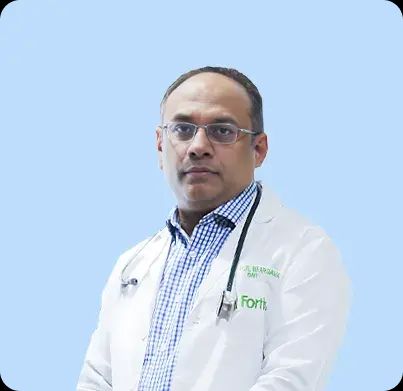
Director
Dr. Rahul...
Gurgaon
22 years of overall experience
Monday: 10:00 AM - 03:00 PM
Tuesday: 10:00 AM - 03:00 PM
Wednesday: 10:00 AM - 03:00 PM
Thursday: 10:00 AM - 03:00 PM
Friday: 10:00 AM - 03:00 PM
Saturday: 10:00 AM - 03:00 PM
Dr. Rahul Bhargava began his journey in Stem Cell Transplantation at Medanta – The Medicity in 2010 and has since performed over 1,500 successful transplants. Recognized for his dedication to accessible care, he has been instrumental in establishing 10 low-cost bone marrow transplant (BMT) centers across India, including facilities at Sarvodaya Hospital, Batra Hospital, and Action Balaji Hospital, among others.
Driven by a vision of an anaemia-free and thalassemia-free India, Dr. Bhargava actively collaborates with government initiatives to make BMT treatment affordable and accessible for all. His dream of creating India’s first integrated Centre of Excellence in Haematology, Paediatric Haematology, and Stem Cell Transplantation was realized at Fortis Memorial Research Institute (FMRI), Gurugram.
In 2016, Dr. Bhargava made history by becoming the first Indian doctor to perform and popularize stem cell transplantation for Multiple Sclerosis, marking a significant milestone in the field.
His contributions extend beyond the hospital. With a strong commitment to community haematology, Dr. Bhargava has screened over 500 schoolchildren across Haryana and neighboring regions for blood disorders. He has conducted over 1,000 Continuing Medical Education (CME) programs, playing a vital role in spreading awareness and building capacity in haematology nationwide.
Owing to his vast experience, clinical excellence, and dedication to public health, Dr. Rahul Bhargava is widely regarded as one of the leading haematologists and stem cell transplant specialists in Delhi and Gurugram.
Senior Resident – Christian Medical College (CMC), Vellore
Consultant – Medanta The Medicity, Gurugram
Consultant – ESIC Hospital, Faridabad
.MBBS, MD, DM, Fellowship
Hematological Conditions
Sickle Cell Disease
Myelomas
Organ-Specific Cancers
Multiple Myeloma
Sleep-Related Breathing Disorders
Uterine Sarcoma
Nutritional Anemia
Hereditary Thrombophilia